
Child brain stimulation is like giving your baby’s brain the best workout during the first six years of life. This helps build strong connections inside their head that last a lifetime, making learning easier and kids happier. Parents can do simple daily activities to boost both the left and right sides of the brain.
What Are Left and Right Brains?
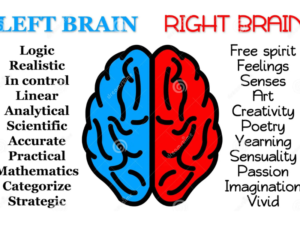
Your child’s brain has two main parts, like two best friends working together: the left brain and the right brain. The left brain loves words, numbers, and step-by-step thinking. It helps kids talk, count, and solve puzzles one piece at a time. For example, when your little one learns the alphabet or adds 2 + 2, that’s the left brain shining.
The right brain is the fun, big-picture side. It handles pictures, music, feelings, and seeing how things fit together. It helps with drawing, dancing to songs, and understanding emotions like happiness or sadness. Babies use the right brain a lot at first because they learn through sights and sounds before words .
Both sides connect through a bridge called the corpus callosum. Activities that cross the middle—like reaching across the body—make this bridge stronger. This teamwork helps kids read, share feelings, and stay calm later on. Don’t worry about one side being “better”—balance is key for smart, creative children.
Why Stimulate Up to Age 6?
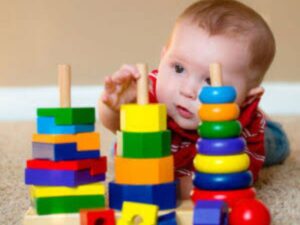
A baby’s brain grows super fast in the first six years—faster than ever again. At birth, it’s like a tiny sponge ready to soak up everything. By age 3, it makes over 1,000 trillion connections called synapses, more than adults have. These links help with thinking, moving, and feeling.
If you play, talk, and touch your baby often, good connections stick around and get stronger. Unused ones fade away, like pruning a bush. This “use it or lose it” rule means early play shapes school success, friendships, and even health. Studies show kids with daily stimulation have better memory, talk more, and handle feelings well.
From 0-6 years, the brain hits 90% of adult size. Missing this window can make learning harder later. But good stimulation adds years of advantage—like 10 extra IQ points. It’s free and fun: just be with your child, respond to their smiles or cries, and explore together.
Right Brain Fun for Babies
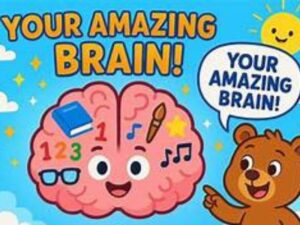
Babies under 3 rely mostly on the right brain because it processes whole images fast, without words. Show colorful flashcards quickly (1-2 seconds each) to build picture memory. Sing lullabies or play rhythms on pots—music wakes up pattern skills for math later.
Try sensory play: let them touch soft fabrics, squish playdough, or watch black-white patterns (newborns love them). Peek-a-boo builds “where’s baby?” awareness. Dance holding them gently to feel beats. These spark curiosity and make the brain thicker, like exercising a muscle.
Mirror games copy faces for empathy—your smile teaches them joy. Nature walks let them grab leaves or hear birds, boosting space sense for puzzles. Do 10-15 minutes daily; right brain grows imagination and quick thinking.
Left Brain Games as They Grow
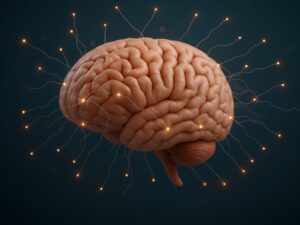
Around age 3, left brain wakes up with talking and logic. Read picture books slowly, pointing to words—repeat rhymes for sounds. Count toes during bath time or sort toys by color. Simple puzzles (big pieces) teach “next step” thinking.
From 4-6, play board games like Snakes and Ladders for turns and counting. Ask “What happens next?” in stories. Build towers with blocks, naming shapes. Talk about feelings: “You look mad—want a hug?” This wires words to emotions.
Mix both: draw a story (right pictures + left words). Clap rhythms then name them. This harmony helps kids focus, read early, and solve problems.
Easy Activities by Age
Newborn to 1 Year: Feel and See

Cuddle skin-to-skin for calm bonds. Hang high-contrast toys; track them with eyes. Talk baby talk back—they copy sounds. Tummy time rolls build neck strength and brain links. Massage feet gently.
1-3 Years: Move and Explore

Chase bubbles across body midline. Stack cups while counting. Sing action songs like “Head, Shoulders, Knees, and Toes.” Hide toys for “find it” memory. No screens—your face is best.
4-6 Years: Think and Create
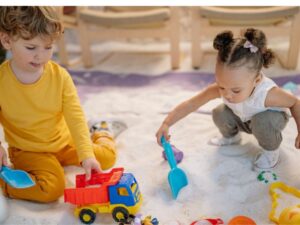
Matching games for memory. Nature hunts: “Find three reds.” Role-play with dolls for stories. Rhythm clapping then math songs. Puzzles grow to 20 pieces.
Big Wins for Your Child
Stimulated kids hit milestones faster: talking at 12 months, sentences by 2, problem-solving by 3. They make friends easier, learn school fast, and bounce back from upsets. Parents feel closer too—happy babies cry less.
No fancy toys needed. Household items work: spoons for beats, boxes for tunnels. Do it daily, 20 minutes. Watch for smiles—they show it’s working. If delays show (no babble by 9 months), chat with your doctor
Every hug, song, or game counts. You’re your child’s first teacher—keep it playful. By age 6, their brain is set for life success. Start today!